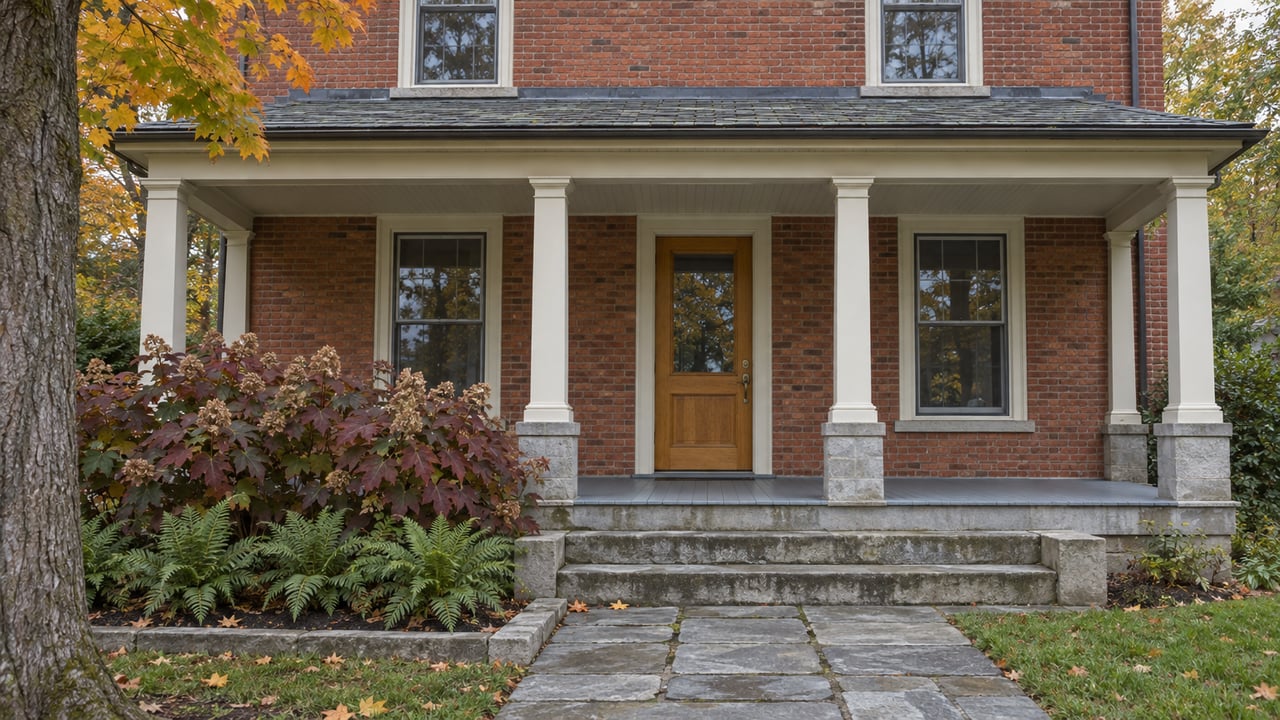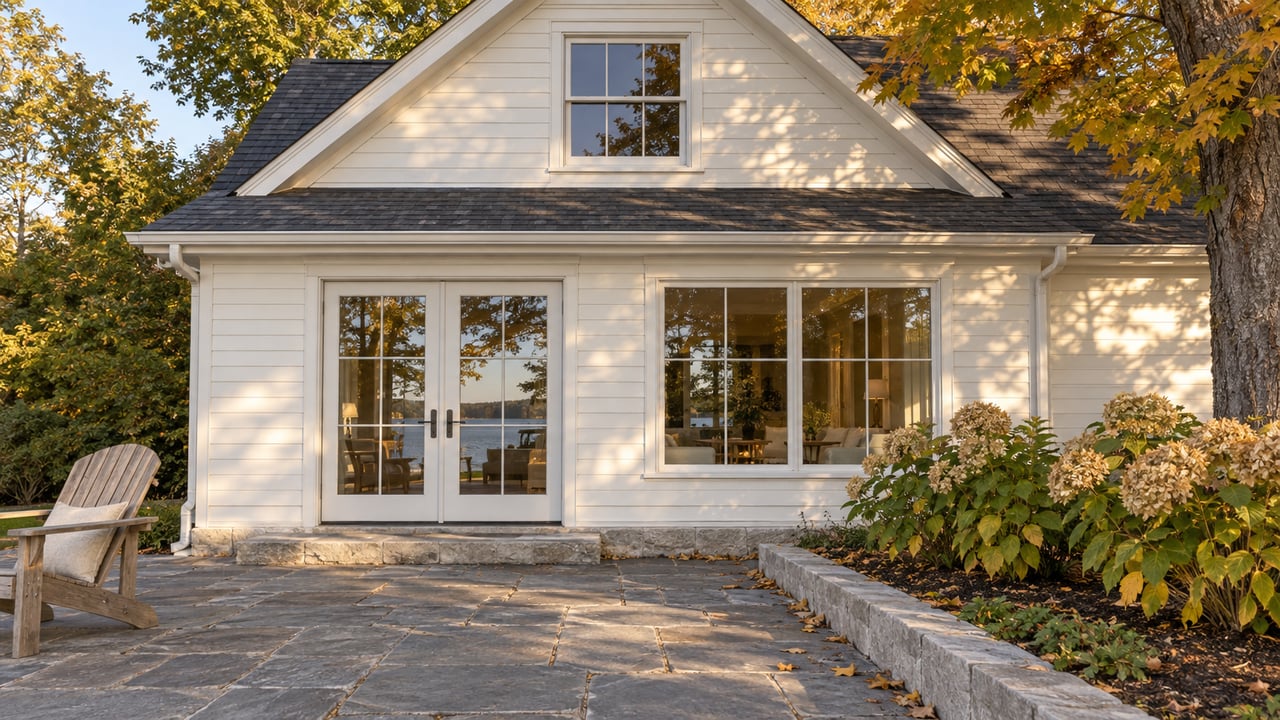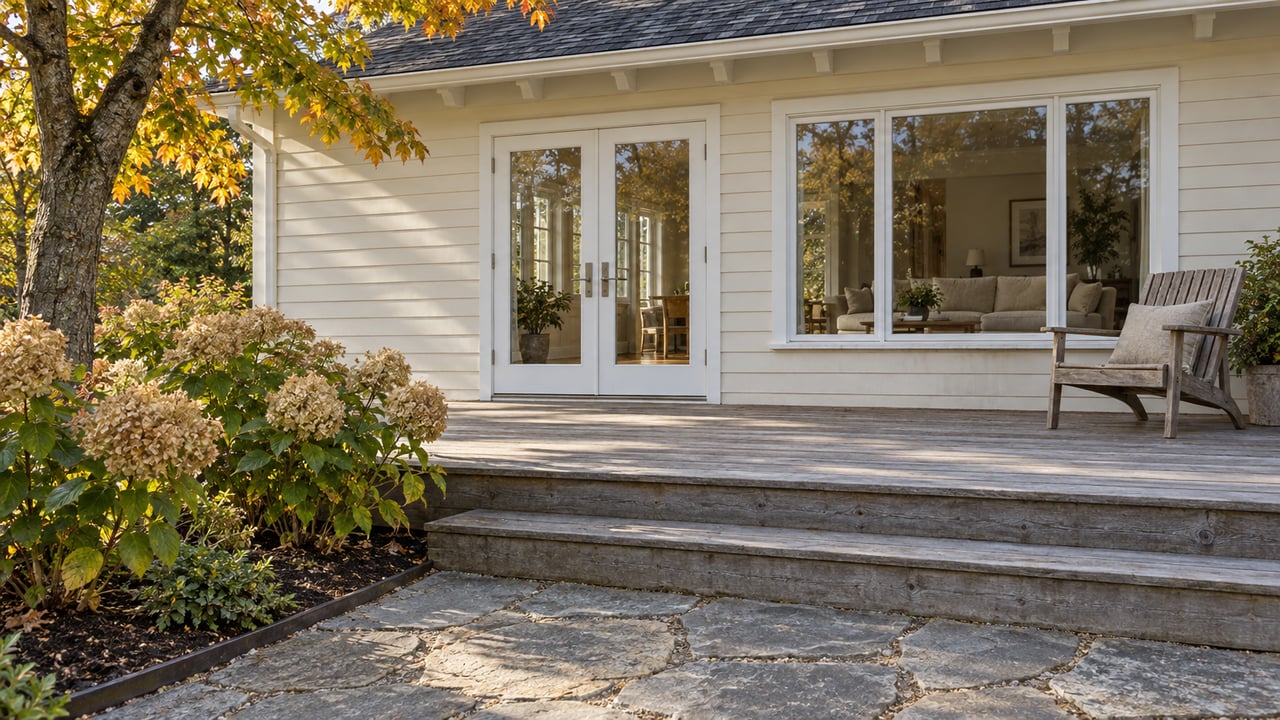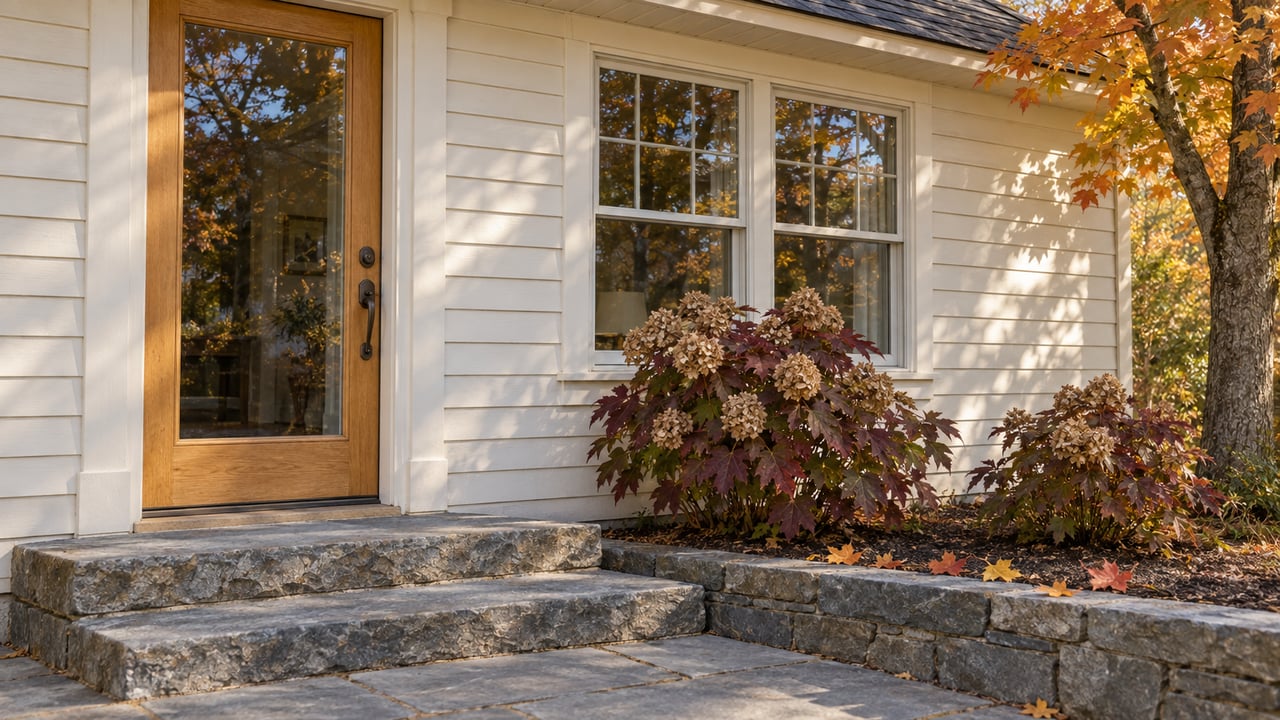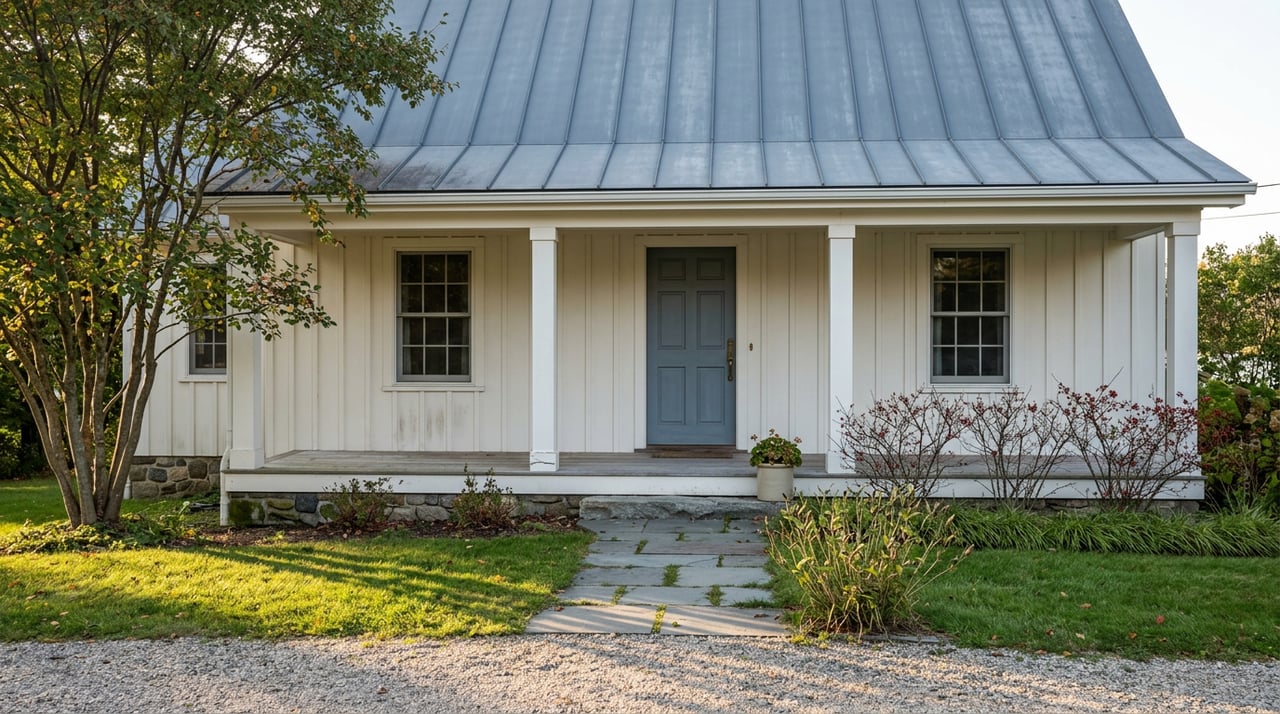
Two houses sit less than a mile apart on the same stretch of Cayuga Lake's west shore, both inside the Town of Ithaca. Same lake, same water quality, same view of the sun setting over the west hills. Tompkins Weekly reported that one can be rented out, unhosted, for up to 245 nights a year. The other is capped at 29. The difference has nothing to do with the house, the dock, or the buyer's plans. It comes down to whether the parcel falls inside a zoning line called the Lakefront Residential Zone, a boundary most people shopping Cayuga Lake have never heard of and would have no reason to ask about.
That's the piece buyers comparing Cayuga Lake properties keep missing. They price the lake as one market: median value, dock condition, distance to Ithaca. But whether a property can legally generate rental income, and how much, depends on which of several separately governed towns, villages, and counties happen to touch that particular stretch of shoreline. Cayuga Lake runs through jurisdictions that don't share a rulebook, and several of those rulebooks have changed materially in the last eighteen months.
A Line Nobody Draws on a Map
The Town of Ithaca's short-term rental rules are the clearest example of how granular this gets. When the town board worked through its legislation, it faced a problem: lakefront properties along the west shore had been rented out for weeks at a time long before Airbnb existed, while inland properties hadn't. Rather than write one rule for the whole town, the board split it.
A Tompkins Weekly report on the law at the time captured the town's reasoning through Goodman, a town official involved in drafting it, who explained that there simply aren't enough traditional lodging options along Cayuga Lake to meet tourist demand, so much of the town's short-term rental activity concentrates along the lakefront, a pattern that predates any rental app. The result: unhosted short-term rentals within the Lakefront Residential Zone, which covers the town's stretch of the west shore, can operate up to 245 days a year and are exempt from the primary residence and driveway rules that apply elsewhere in town. Outside that zone, unhosted rentals cap out at 29 days a year, with some exceptions. Hosted rentals, where the owner is present, have no day limit at all anywhere in town. The provision lives in the town's zoning code, specifically section 270-219.7, the same chapter that governs short-term rental use townwide.
The zone didn't settle the debate. Carolyn Greenwald, who rents her home on Taughannock Boulevard within the Lakefront Residential Zone, pushed back publicly on the idea that day caps address the actual complaints from neighbors, arguing that noise and parking issues aren't solved by limiting how many nights a unit can be booked. The Ithaca Board of Realtors organized against the broader legislation and collected more than 100 signatures on a petition before the vote. None of that changes the math for a buyer today: the zone is the line that decides what a specific parcel can legally do, and it runs through the middle of a town, not along a county border.
Six Blocks Can Change What's Legal
The same fracture shows up again at a smaller scale, this time between the Town of Ithaca and the City of Ithaca, two governments that share a name and a border but almost nothing else on this topic.
The City of Ithaca's short-term rental ordinance reached full enforcement on June 1, 2025. Under that law, a permit will only be issued if the property is the host's primary residence, the applicant must be what the city calls a natural person rather than an LLC or corporation, and the city may require documentation showing the owner lives there at least 184 days a year. The permit costs $400, and the unit needs a Certificate of Compliance from a housing inspection before anyone can apply.
City officials were direct about the goal. As Megan Wilson, the city's deputy director of planning and development, told Tompkins Weekly ahead of enforcement, most of the roughly 300 short-term rental units then operating in the city were not the primary residence of their owner or host, meaning the ordinance was written specifically to eliminate that category. Andre Gardiner, who owns several rental properties downtown, told the paper he expected nightly rates to climb as inventory came off the market and that he wasn't sure he'd keep operating his father's unit as a rental once the added permitting cost and stricter tax enforcement kicked in.
Step back out of the city and into the surrounding town, and the picture changes again. The Town of Ithaca's general rental property code, Chapter 207 of the Town of Ithaca Code, requires an operating permit and a housing inspection for any rental unit, but it does not impose the city's primary-residence requirement. A short-term rental in the town still needs a permit, still has to pass inspection, and still has to fit within whichever day-cap zone it sits in, but an owner who lives elsewhere and simply wants to run the property as an investment isn't automatically disqualified the way they would be a few blocks away in the city.
A Village's Rental Debate
There's another layer to this, and it doesn't run along the lakeshore at all. Near the north end of the lake, the Town of Lansing and the Village of Lansing are two separate governments, one nested inside the other, and as of a few years ago they weren't even on the same timeline. According to The Lansing Star, Town Supervisor Ed LaVigne said publicly that the town still needed to work out its own short-term rental approach, noting that the City of Ithaca already had rules and the Village of Cayuga Heights already had rules, implying Lansing was behind both.
The Village of Lansing's own planning board had been discussing short-term rental regulations since at least 2020, prompted by complaints about a specific Airbnb property, and the debate went well beyond a simple yes or no. Board members weighed whether ownership should be restricted to what one member called "a natural person," reasoning that corporate owners are less likely to be on site to resolve problems, the same concern the City of Ithaca later wrote directly into its own ordinance. Even so, the village's deliberations stretched on without landing on an adopted rule.
A property inside the Village of Lansing can be operating under general zoning and noise ordinances. The Village of Cayuga Heights, a separately incorporated village closer to the lake's south end, is another government touching the same lake system.
The East Shore's New Wrinkle
None of this is settling down. In December 2025, the Cayuga County Legislature voted down a proposal to opt out of a new state law that lets counties build their own short-term rental registries, choosing instead to move forward with one. That decision matters for the towns on the lake's east shore, including Ledyard and the village of Aurora, because a registry gives the county the ability to collect occupancy and sales tax directly from short-term rental platforms rather than relying on voluntary compliance. The county treasurer had already compiled a list of active short-term rentals under a voluntary arrangement, but the registry formalizes that tracking.
This isn't a Cayuga County quirk either. It stems from a 2025 state law, Real Property Law Article 12-D, that lets counties statewide operate or join short-term rental registries and requires booking platforms to verify registration and report guest-stay counts on a county level. Counties had a window to opt out entirely, running from September 22, 2025 through June 30, 2026, a window that has now closed. Cayuga County chose not to use it.
What This Actually Means Before You Write an Offer
Put together, the pattern is this: a buyer who assumes Cayuga Lake works as one market for rental income is pricing against a rulebook that doesn't exist. The real rulebook depends on parcel-level jurisdiction, and that jurisdiction can flip within the length of a driveway.
Before treating a Cayuga Lake property as a short-term rental investment, it's worth confirming a few things directly with the relevant town, village, or county office rather than assuming based on the shore or the listing description:
- Which municipality actually holds authority over the parcel, since a city, town, and village can all sit within a mile of each other along this lake
- Whether that municipality has an adopted short-term rental ordinance at all
- Whether the parcel falls inside any zone-based carve-out like the Town of Ithaca's Lakefront Residential Zone, which changes the legal day count substantially
- Whether owner-occupancy is required, since the City of Ithaca's rule effectively rules out a pure investment model that remains viable a few blocks away in the surrounding town
- Whether the county has an active short-term rental registry, since that affects tax exposure independent of the local zoning rules
None of this shows up on a standard listing sheet. It shows up in town code and county legislative minutes, which is exactly why it gets missed until closing is already scheduled.
A Short FAQ
Does being lakefront automatically mean a property can be rented short-term on Cayuga Lake? No. Lakefront location can matter within a specific zone, like the Town of Ithaca's Lakefront Residential Zone, but it doesn't override the underlying municipal rule. A lakefront property inside the City of Ithaca still has to meet the city's primary-residence requirement regardless of its view.
If a property already has an active short-term rental listing, does that mean it's compliant? Not necessarily. The City of Ithaca sent letters to owners of identified short-term rental units explaining the new permit process. An active listing on a booking platform isn't proof of a valid local permit.
Can these rules change again? Yes. The state's county opt-out window for short-term rental registries closed June 30, 2026, but local boards on this lake have shown a pattern of revisiting rental law on a rolling basis rather than settling it once, and nothing prevents a future legislative session from adjusting the framework further.
Understanding which government actually governs a specific parcel on Cayuga Lake isn't a side detail when short-term rental income is part of the plan. It's the plan. If you're comparing properties on this lake and want to know what a specific address is actually allowed to do, not what the general area seems to allow, that's the kind of question worth working through before you write an offer.
Nick Davoli has spent more than two decades tracking exactly these distinctions across Seneca, Cayuga, and Keuka. If you're weighing a Cayuga Lake purchase against its rental potential, let's connect and go through what applies to the specific parcel you're considering.
This article is general information, not legal, tax or financial advice. Consult a qualified professional about your situation.